Learning to Look Up: Finding Glimmers in Hard Seasons
The past three weeks have been some of the hardest of my life.
I almost lost two family members to severe mental health crises. During those three weeks, there were moments I didn’t know what the next hour would bring. There were phone calls that stopped my breath. There were sleepless nights when fear sat heavy on my chest and I had no idea how to make it lighter.
And yet.
That same season — the one that brought fear and exhaustion and so many unknowns — also brought something I didn’t expect.
A deeper connection with my mom while going through this challenge together.
The strength and camaraderie of people who care about my family.
A sudden, sharp awareness of how much I already have.
A gift of living in the moment as an able person.
A resilience I didn’t know I still carried.
A faith that, instead of feeling shaken, somehow grew steadier.
I’ve been sitting with this paradox ever since. How can the hardest season also be one of the most meaningful?
Hard Seasons Are Multi-Faceted
We tend to think of difficulty as singular — as one long, flat experience of going through hard things. But that’s not how it actually feels when I am in it now. A hard season is layered. Grief and gratitude arrive in the same afternoon. Fear and love sit at the same table. You can be completely undone and somehow, in the same breath, feel more alive to what matters.
In the middle of those three weeks, I noticed something shifting in me. When I focused only on what was directly in front of me — the crisis, the next call, the worst-case scenario — I felt like I was drowning. The weight was simply too much to carry on my own.
So I learned, slowly and imperfectly, to look up.
My faith has always been a source of grounding for me. But this season made it personal in a new way. I kept returning to the image of Jesus — not the triumphant, risen figure, but the one who endured real human suffering, who was afraid, who wept, and who experienced what it felt like to be completely overwhelmed by the weight of what was being asked of him.
And yet he bore the burdens completely and rose.
That image became a kind of anchor for me. Not because it made the suffering disappear. But because it reminded me that suffering is not the end of the story. That someone who walked through more pain than I will ever face chose to endure it — and that his endurance became the source of the greatest hope I know.
When I looked up instead of only straight ahead, I could breathe again. And when I could breathe, something shifted — I began to notice what fear had been blocking from my view. The small moments of light that had been there all along. That is what I’ve come to understand about glimmers.
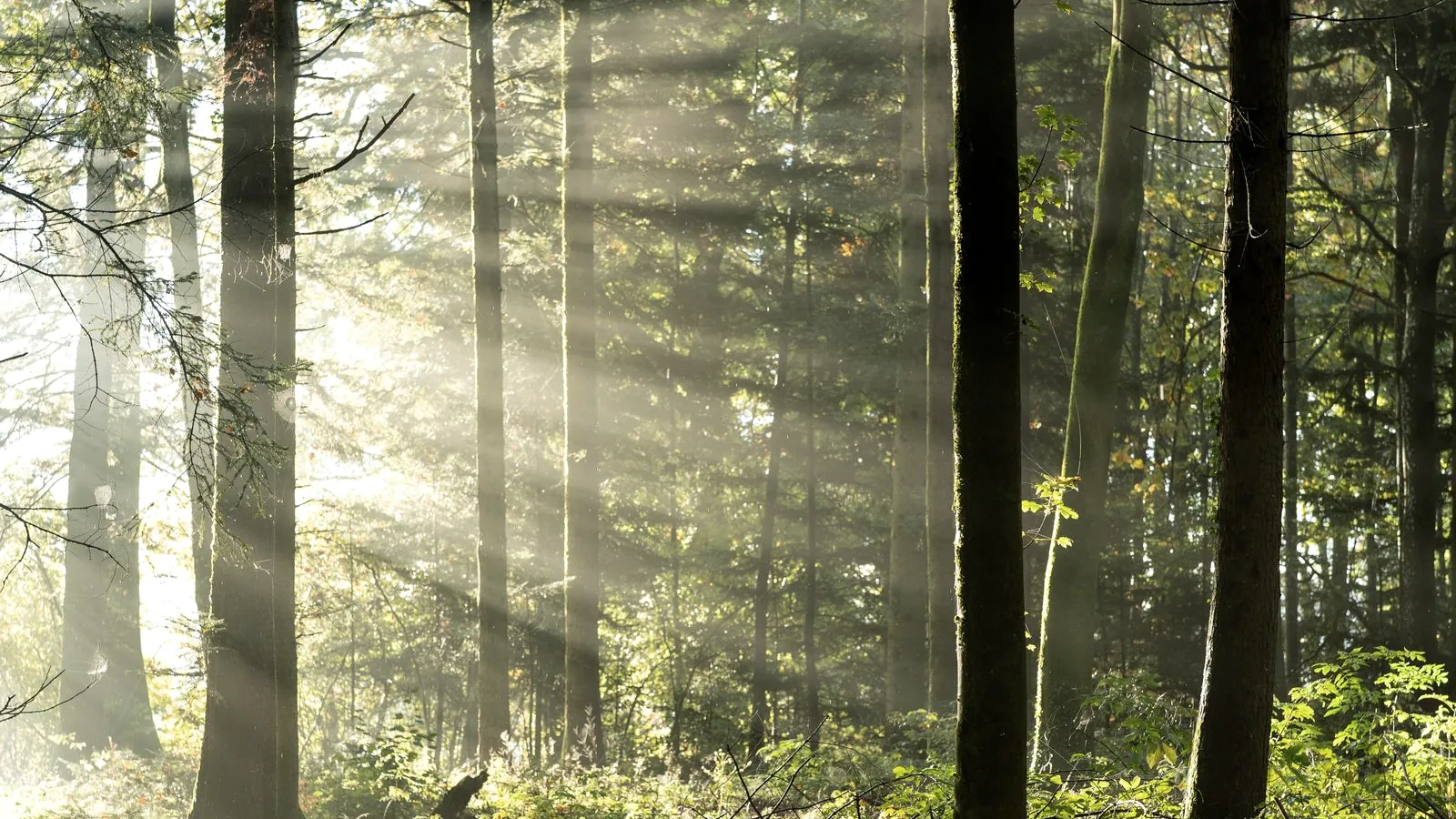
If you’re new here: glimmers are those small, often fleeting moments that signal safety, connection, or beauty to your nervous system — the opposite of threat cues. Not dramatic, not loud — a warm cup of coffee in a quiet moment. A family member giving you a warm hug. A text from a friend that says I’m thinking of you. Sunlight through a window when everything inside feels dark.
In ordinary seasons, glimmers are easy to find. In hard seasons, they can feel almost impossible to notice — because our nervous system is on high alert, scanning for threat and survival, not for joy and rest.
But they are still there, just as looking up brought me a moment of glimmers through what Jesus has done.
What This Has to Do With How You Lead
I work with leaders every day who are carrying hard seasons — quietly, professionally, without letting it show. A leader quietly grieving a loss. A leader holding a struggling team together while their own world is unraveling at home. A relationship fracturing beneath a composed, professional exterior. And they show up to work, make decisions, run meetings, and try to hold everything together.
Here is what I want to say to you:
The hard season you are in is not one thing. It is not only exhausting, only frightening, only heavy. If you look — really look — there could be glimmers inside it. It might be wrapped in the package of pain, but if we were to open it, there could be a beautiful gift inside that we weren’t able to discover before.
And the capacity to notice those moments — to hold both the difficulty and the light at the same time — is no small thing. It is one of the most important skills a leader can develop. Because the leaders who can do this don’t just survive hard seasons. They come out of them with deeper roots. More human. More present. More able to sit with their teams in difficulty without needing to fix it or flee it.
That is the kind of leader hard seasons can build — if we let them.
One Question to Sit With This Week
What might this hard season be building in you — if you were willing to look for it?
You don’t have to have the answer. Just let the question be with you.
And if you are in the middle of something hard right now — I see you. I am in it too, in my own way. You are not alone.
Hard seasons are not the end of the story. They are often where the most important parts of it get written.
May you find your glimmers this week — however small, however quiet.
Until next time, Gloria
Stay in the conversation
New reflections on restorative leadership, straight to your inbox. No noise.